Interview with Giovanna Ferrari
Irish animation director & writer Giovanna Ferrari, speaks about her Film Olympiad Gold Medal winner & Oscar shortlist animation film "Éiru".
3/15/20265 min read
Interview with Giovanna Ferrari
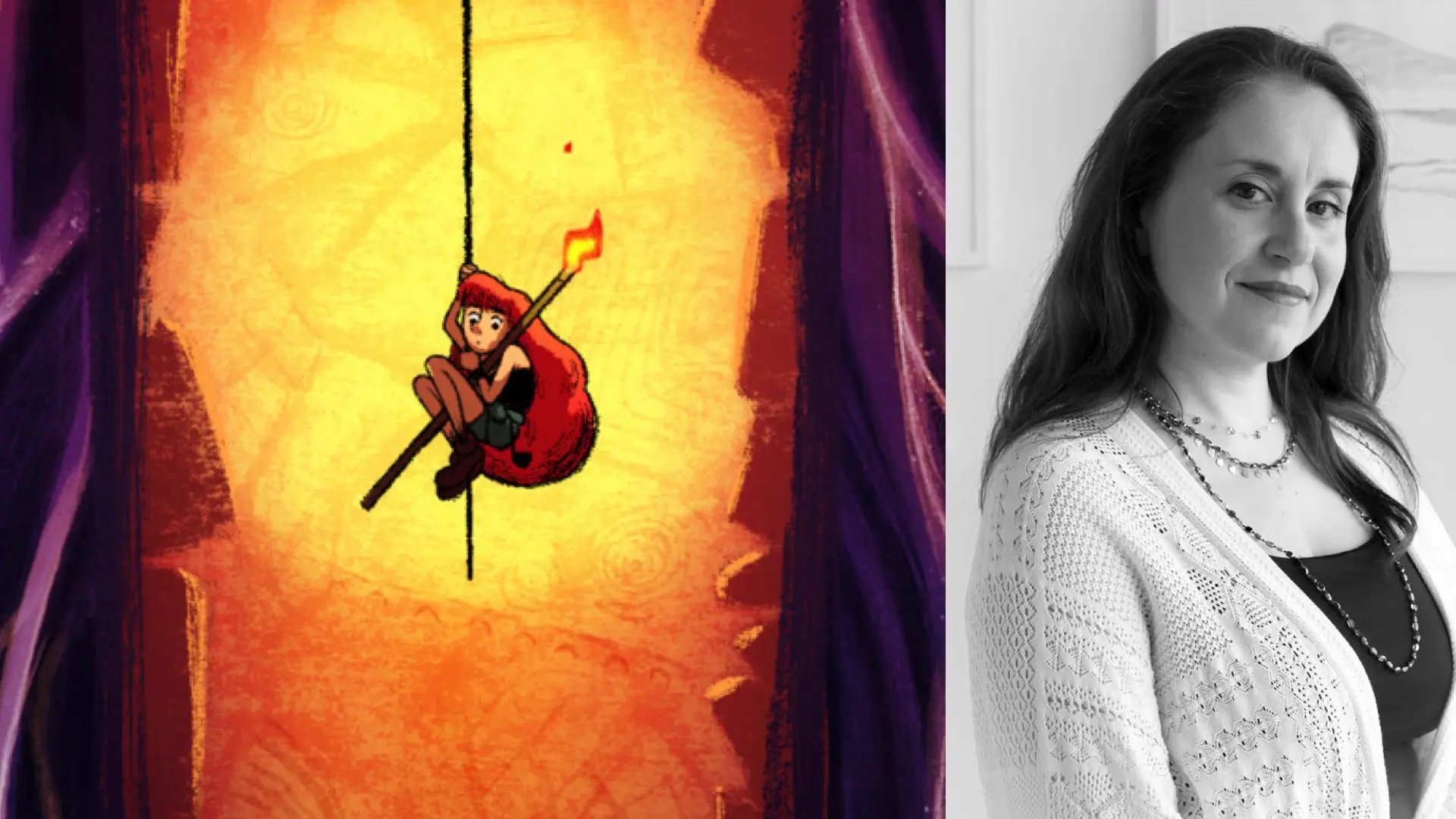
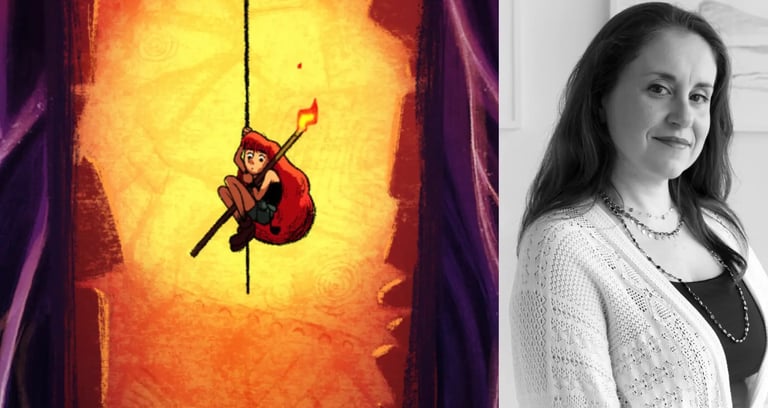
Irish animation director & writer Giovanna Ferrari, speaks about her Film Olympiad Grand Prix Gold Medal winner & Oscar shortlist animation film "Éiru".
Dear Ms. Giovanna Ferrari, congratulations on Éiru's outstanding success at the Film Olympiad. With 8 Film Olympiad medals, including Gold for Best Human Rights Film, Silver for Best Animation and Bronze for the People's Choice Award, it is the most successful Irish film ever in the Film Olympiad — and among the most awarded animation films in the festival.
How long did you work on this project, and what were the challenges in creating such a multilayered animation film, with excellence across all its elements?
Thank you so much for your kind words, and for recognizing the effort we put into this short movie. It's very heartwarming to see so much appreciation, and we are really moved and grateful.
The movie took a total of a year to make, not counting some weeks of development and inspiration that happened a year before production started. We didn't face many hard challenges or difficulties during the process, thanks to the fact that it was a team of people who trusted each other and had been working with each other for a long time. Also, the producer Nora Twomey and in general Cartoon Saloon was very generous and allowed us to explore and express ourselves while giving us the best advice, so all in all it was a smooth production. The only tricky part was the fact that the short had to follow a very precise schedule and timeline in order to use the talents that were available in the proper time, and therefore some departments were covered by only one person who had to do a lot of work on their own. But luckily they were all so talented and experienced that they could pull it off anyway and we managed to finish in time.
"Animation has a unique ability to help people transcend the literal meaning
and it allows emotions to flow more freely"
The "Best Human Rights Film" is, for us, one of the most important awards of the Film Olympiad. Your film was considered one of the strongest anti-war films we have received in recent years. It is not always easy to create such a film, since subtlety is required for it to keep its cinematic character. How did you approach that specific creative challenge?
Thank you so much, this means so much to me, the issues explored in the short matter to me enormously and I am so grateful that I could express my views in my directorial debut, so to see it reach people's minds and hearts is a lifeline of hope in these dark times. I have been lucky in my career to have worked closely with directors like Nora Twomey, on The Breadwinner, for example, I learnt a lot about how to use composition, music colors and editing in layered way in order to allow the subtext to do a lot of the emotional job. Also, I think animation has a unique ability to help people transcend the literal meaning and it allows emotions to flow more freely than live action when the subject matter is sensitive and/or potentially divisive.
At the Film Olympiad, we place great value on animation films, which is why we ensure they compete as equals with all other films — aside from the dedicated Best Animation category. What has been your experience as an animation filmmaker in that regard, and how do you think animation films can gain even greater visibility within the international film festival circuit?
Animation is just another way to make movies, but indeed, the stereotype of it being a genre instead of a technique is still keeping some people from seeing its full potential, so we are so thankful for your attitude, if only more festivals were like the Film Olympiad! I wish there were more festivals like this, mingling animation and live action with documentary, it's so enriching for the audience, but also for the directors and producers, it can create such a powerful potential for collaborations and new ideas to emerge.
I also think it would be beneficial to see more short films in cinemas outside the festival circuit because the short format can reach even more audience and allows for more experimentation and independence. A good way to do that could be to start coupling short films with feature films, so that more audience would be able to access them. Éiru was screened before Little Amelie or the Character of Rain in North America during its release, and I think that would be a great way to create interest for animation in a larger audience.
Returning to "Éiru", what were some of your main influences for this film, both in visual style and conceptual approach?
Conceptually I have always been obsessed with the idea of "the other" since the days I read Jacques Derrida's "L'autre Cap" as a teenager. I then became an expat, in a moment where Europe was failing on its promises as a structure but right when millions of European nationals where starting to realizing it de facto while creating families of multinational and intercultural origin. So the question of "what is the other?" in its cultural essence and the relevance (and misuse) of such question in the shaping of our world has always been one of my main areas of interest.
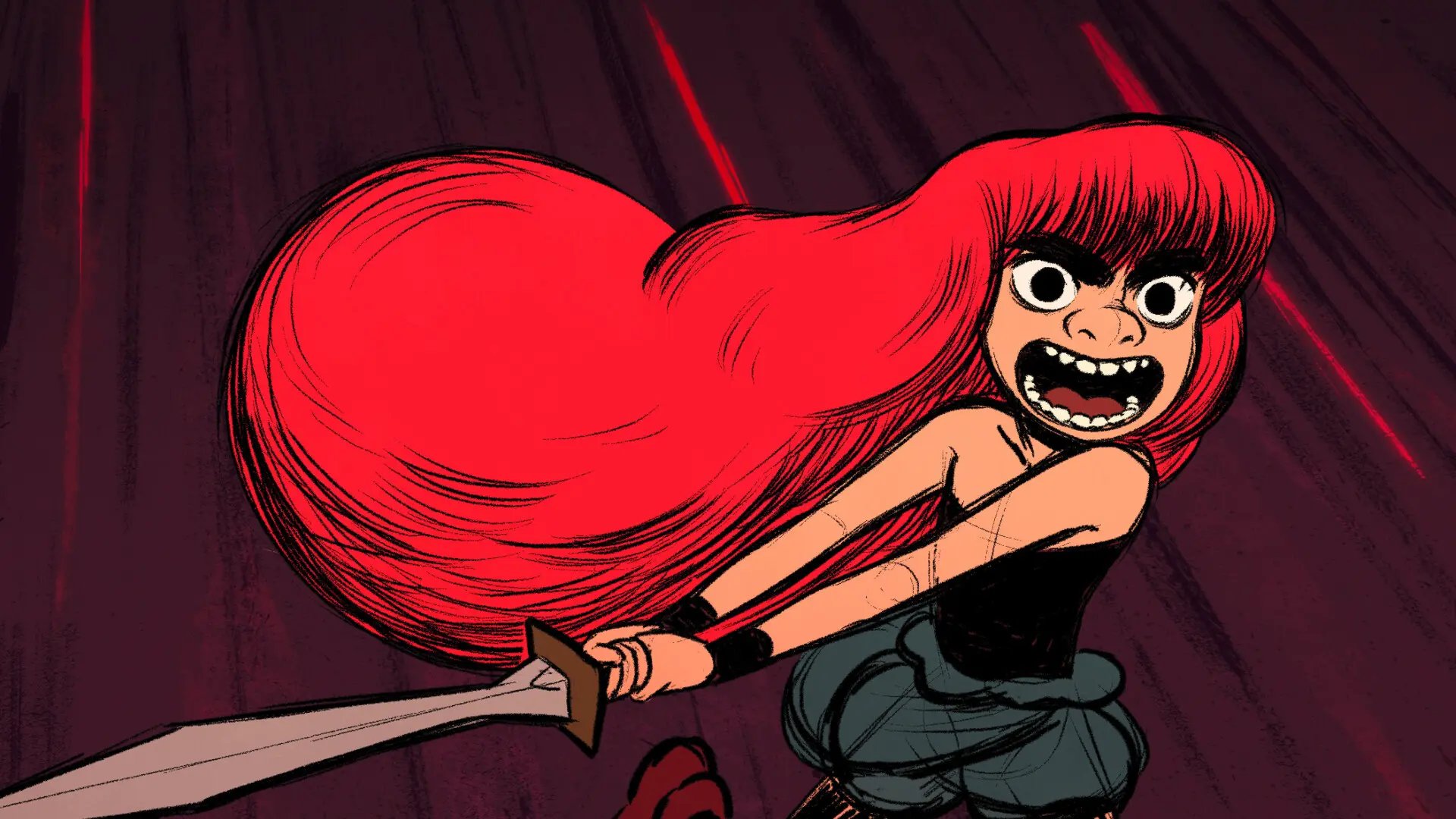
Visually, I wanted it to be a Cartoon Saloon movie, since it was going to be made by senior crew from the studio and it featured the same kind of themes and folklore settings. The only difference may be in the style of animation of the main character and her design that is willingly less stylized, in order to portray her difference from the other characters. It's also a bit meta, because that style is really my natural own style, and it comes from my background as an animator in France and Italy, so it reflects myself too in my difference from the style of the studio as large, echoing again the theme of "what is the other?"
" If only more festivals were like the Film Olympiad!
Mingling animation and live action with documentary,
it's so enriching for the audience, but also for the directors and producers."
How did you experience the 15th Film Olympiad Grand Prix, and what would you like audiences who watched "Éiru" at the festival to take away from the film?
I cannot really say what the audience should or should not take away, but I can say I made this movie with the intent of giving a sense of hope in these turbulent times and I hope the audience feels less lonely and they feel like connecting with other people. I am very sad I couldn't personally attend the Festival, I am so happy my movie was there, and on behalf of the whole studio, I really want to thank you and the audience for the love and respect you gave us and for being so supportive of animation.
THANK YOU!
"I made this movie with the intent of giving a sense of hope in these turbulent times and I hope the audience feels less lonely"