Interview with Moges Ababu Belachew
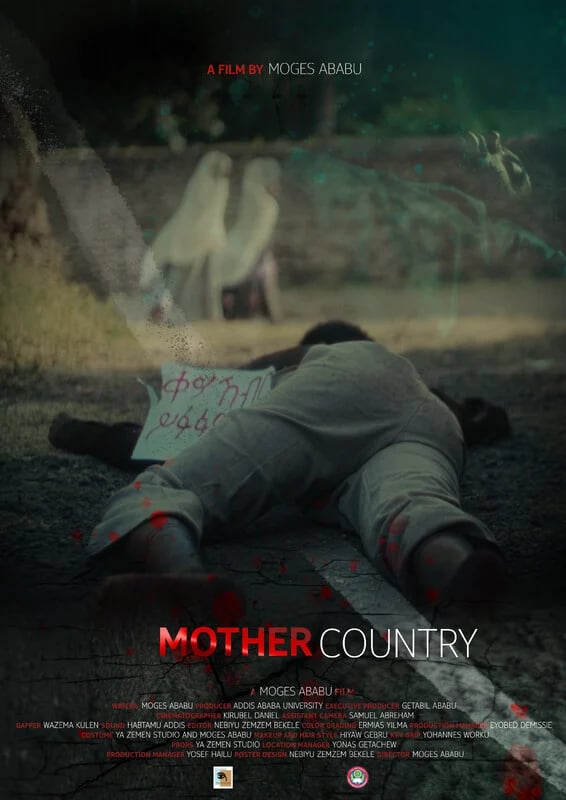
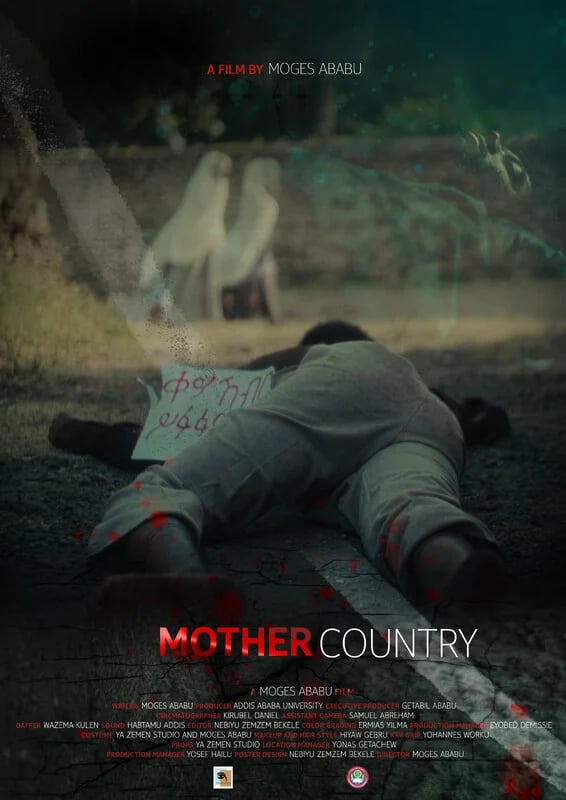
Ethiopian director & writer Moges Ababu Belachew, speaks about his nominated short film "Mother Country".
3/5/20265 min read
Interview with Moges Ababu Belachew
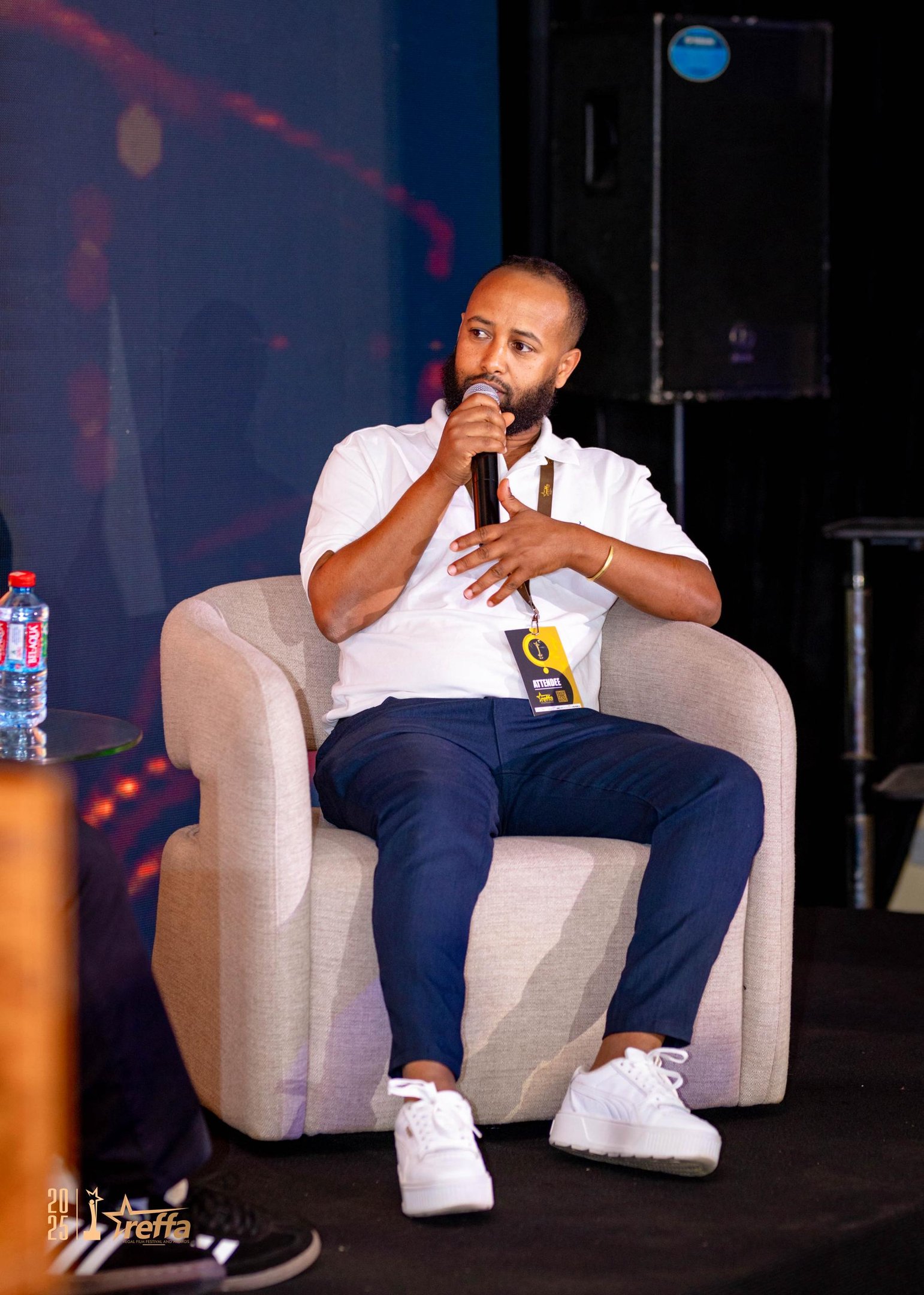
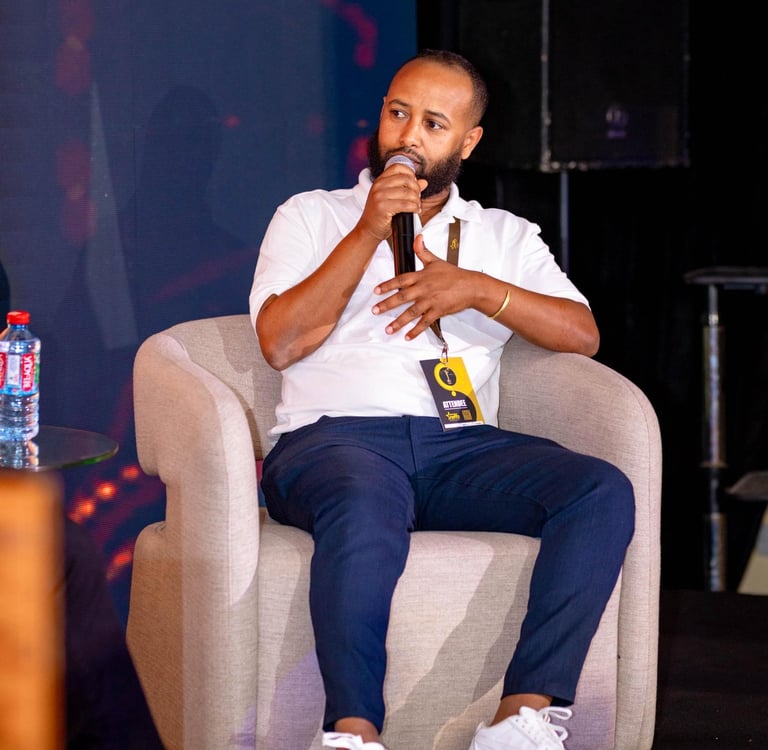
Ethiopian director & writer Moges Ababu Belachew, speaks about his nominated short film "Mother Country".
Dear Mr. Belachew we are so pleased for having this interview with you. Your film "Mother Country" from Ethiopia is nominated for 7 film Olympiad medals (including Best Promising Director) making it one of the most successful African films in the history of our competition. We strongly appreciate African cinema and filmmakers and we would love it if you could tell us a bit about your experience as a filmmaker coming from this continent that has so many stories to tell.
It is a great opportunity for me to be part of such an important platform. I am a filmmaker and a lecturer, and I have dedicated most of my life to the filmmaking process. I earned my MFA in Film Production from Addis Ababa University. Currently, I teach film at different colleges, including Addis Ababa University as a par-timer.
"Mother Country" is my second short film, and I produced it as part of my MFA thesis project. I am very glad to see the film gaining recognition and success, which encourages me to continue working as a filmmaker. Throughout my career, I have also participated in different audiovisual projects as a director and cinematographer, including television series, documentaries, TV commercials, and music videos. These experiences have helped me develop both creative and technical skills in filmmaking.
As a continent, Africa has an incredible potential for storytelling. Ethiopia, in particular, is one of the oldest civilizations in the world and one of the few African countries that was never colonized. Because of this rich history and cultural diversity, we have many powerful and untold stories that are still waiting to be shared with the world through cinema.
" Civil war, is the most painful. You cannot celebrate heroes when the victory comes from the suffering or death of your own brothers."
Mother Country is a political film, more than others. Which do you consider the biggest challenges and dilemmas when creating such a film?
Yes, Mother Country is a political film. However, the story does not take place in the present time; it is set during the Derg regime, so it is a period film. Because of this, there was not much direct political influence or pressure during the filmmaking process.
The biggest challenges were mainly related to production design, such as finding appropriate locations and costumes that accurately represent that historical period. Addis Ababa has been growing and changing very rapidly, and many of the places that still reflect the atmosphere of the Derg era no longer exist. Because of this, it was almost impossible to shoot the film in Addis Ababa.
As a result, I had to travel outside the city, around Debre Zeit, to find locations that still preserved the look and feeling of that time. This created additional challenges, including transportation and accommodation costs for the crew, which increased the production budget. Another challenge was finding accurate costumes, especially military uniforms that matched the period. It was very difficult to find proper uniforms, so I had to search in different markets and buy the items separately, often at a very high price.
Overall, these production issues—particularly location scouting, costume design, and the extra costs caused by traveling outside Addis Ababa—were the biggest challenges during the making of the film.
Wars, as it is strongly shown in your film as well, always have many sides and points of view, regardless if some are right or wrong. How do you deal in terms of storytelling with this undenied reality?
In this world, opposite forces always exist: good and bad, right and wrong, peace and conflict. War often emerges from these opposing perspectives, where different sides believe they are right. As a storyteller, I try to acknowledge this complexity and show that conflicts are rarely one- dimensional.
However, my personal belief is that war should never be the solution, especially in today’s developed and civilized world. There are always better alternatives, such as dialogue, discussion, and understanding between different sides. No country truly benefits from war in the long term. In the Ethiopian context, during the Derg regime, we lost more than a hundred thousand people, many of them young and well-educated members of society. This loss had a deep impact on the country because those young people could have contributed to the nation’s development. In many ways, the country had to start again from scratch.
Civil war is particularly tragic because it is a conflict between people who belong to the same nation, sometimes even the same communities or families. It is the most painful kind of war. You cannot truly celebrate heroes when the victory comes from the suffering or death of your own brothers.
Through my storytelling, I try to reflect this reality: that war has many sides, but in the end it always leaves deep scars on a country and its people.
You are nominated for the Best Promising Director medal. Which have been your influences as a director?
I am truly honored to be nominated for the Best Promising Director medal. As a director, my influences come from both cinema and real-life experiences. Academically, studying film at Addis Ababa University helped me understand different filmmaking styles, film history, and the work of many international directors. These filmmakers inspired me to see cinema not only as entertainment but also as a powerful medium for storytelling and social reflection.
At the same time, my biggest influence comes from the stories around me—especially Ethiopian history, culture, and the experiences of ordinary people. Growing up and hearing real stories from my family and community, particularly about difficult historical periods like the Derg regime, shaped the kind of stories I want to tell.
I am also influenced by African cinema, which focuses strongly on identity, history, and social realities. These perspectives encourage me to create films that are authentic and meaningful. Overall, my goal as a director is to combine academic knowledge, cinematic inspiration, and real- life stories to create films that are both emotionally powerful and socially relevant.
"My biggest influence comes from the stories around me—especially Ethiopian history, culture, and the experiences of ordinary people."
How do you feel with your film's participation in the Film Olympiad and what would you like the audience to take away, when they will watch Mother Country?
As I mentioned earlier, I originally made Mother Country as my MFA thesis project. That was my main goal at the time, and I was very happy when the film received an excellent grade. After completing the project, I decided to submit it to different international film festivals. I was pleasantly surprised by the response. Many festivals appreciated the film and gave very positive feedback. Mother Country has received several nominations and awards at different festivals around the world, which has been very encouraging for me as a filmmaker.
One of these festivals is the Film Olympiad. When I first found the festival, I noticed that it required a submission fee. I contacted the organizers by email and sent them the film link. I kindly asked if it would be possible to receive a fee waiver. I was very happy when they responded positively and sent me a discount code. That was a very exciting moment for me, and I truly appreciate the support and understanding of the Film Olympiad organizers. Because international submission fees can be difficult to afford in our context, and international payment systems are not always easy to access,
Regarding what I would like the audience to take away from the film, I believe that once a film is released, it belongs to the audience. Viewers have the freedom to interpret the story in their own way. I prefer not to impose a single perspective or message because every viewer brings their own experiences and thoughts to the film.
In fact, I have heard many different interpretations from audiences after watching Mother Country, and that is one of the most beautiful aspects of cinema. The power of art is that it allows people to think, reflect, and find their own meaning in the story.